Blog & Insights
How to choose, what it costs and what to check before launch.

How Much Does It Cost to Build a Website or Platform
We break down what actually shapes the price of a web project, from a landing page to a complex platform. What drives the cost, how much support runs you, and which hidden expenses
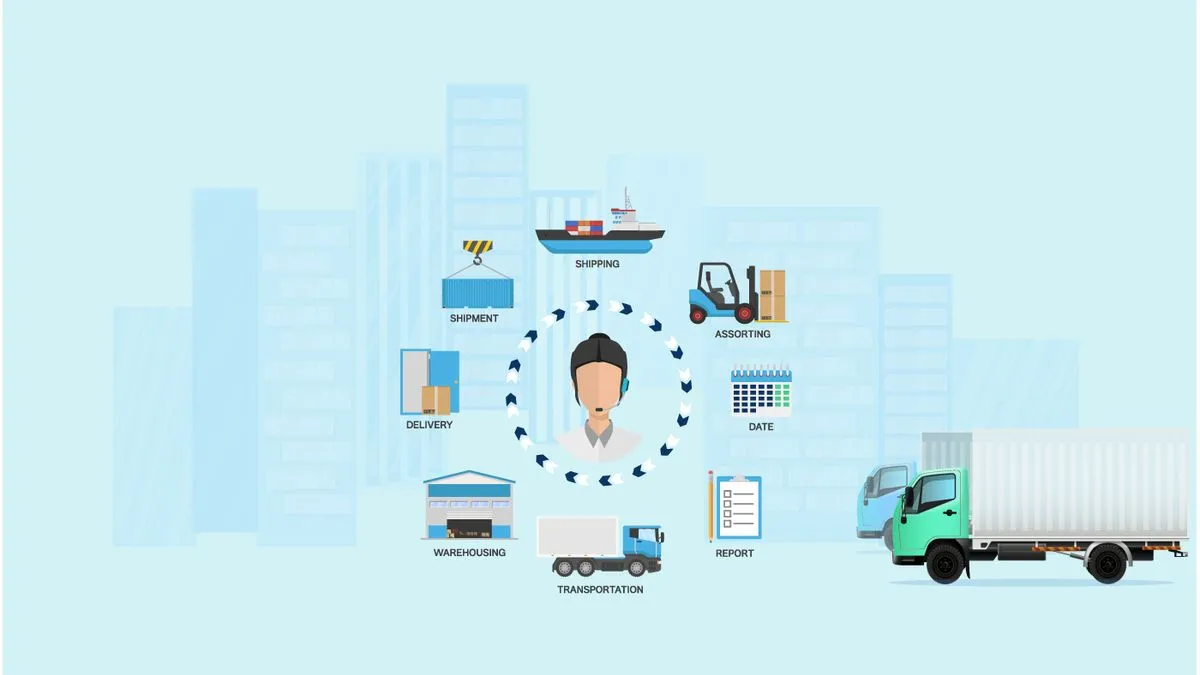
Digital Transport Platforms and TMS: Why Logistics Without a System Leads to Constant Losses
Many companies believe their logistics are working fine — deliveries are completed, operations continue, and customers receive orders. However, a deeper analysis usually reveals th

How Much Does CRM and ERP Implementation Cost: The Real Budget Breakdown
The price of a CRM or ERP rollout is not a single line called «license fee» — it is the sum of six cost items. We break down what the budget actually consists of in the Uzbekistan

Digital Transport Systems and Platforms: Development and Operational Experience
Modern urban transport is no longer just vehicles and routes. It is a complex digital infrastructure that processes movement data, schedules, load levels, and vehicle status in rea

Stages of IT Product Development: From Idea to Launch
A walkthrough of the full digital product lifecycle — from discovery and specification to launch and support. What happens at each stage, where budgets get lost, and how to avoid t
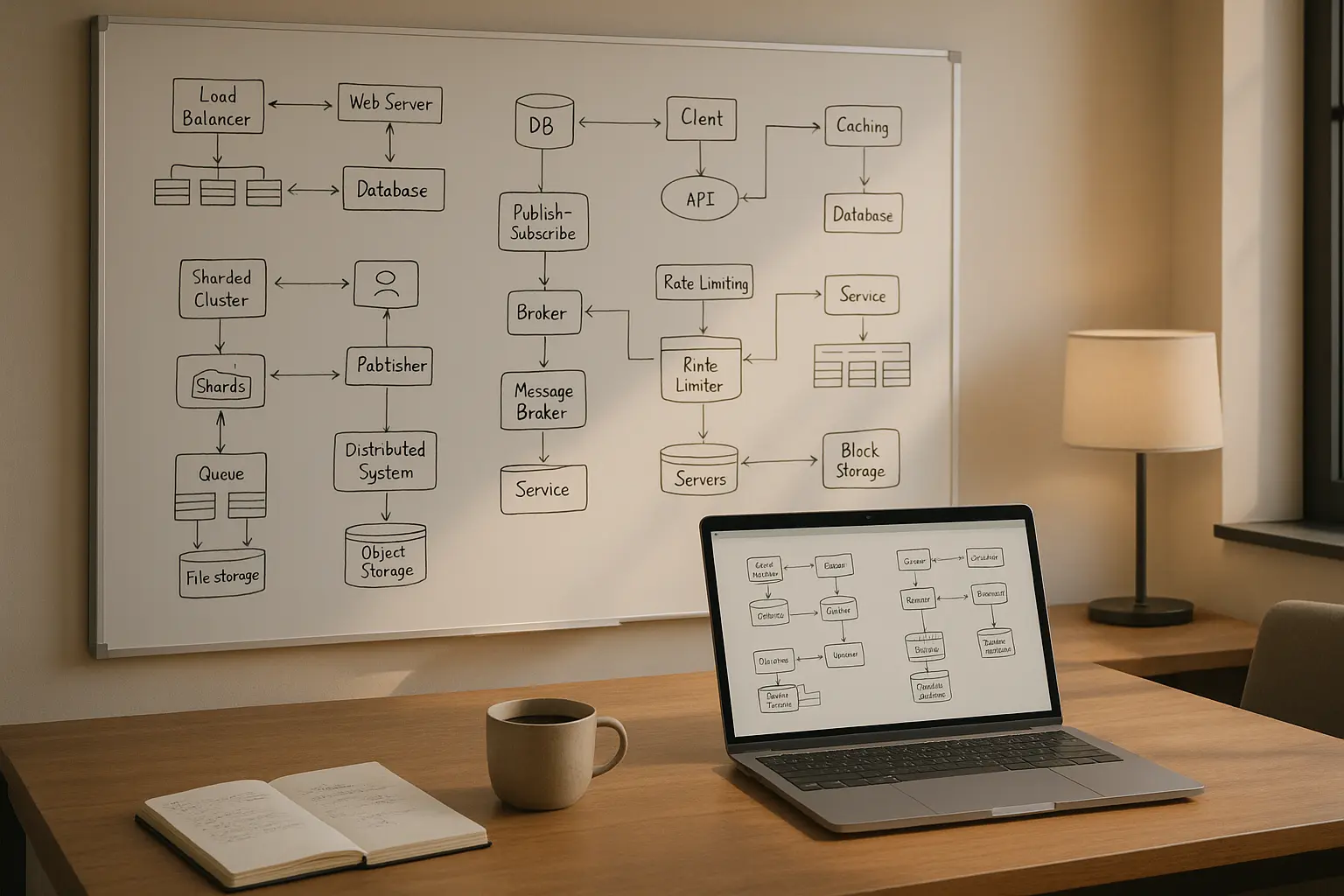
Engineering Approach in IT Projects: Why Architecture Matters More Than Design
Engineering Approach in IT Projects: Why Architecture Matters More Than Design Modern IT development for business often starts with visual concepts and user interface design. Compa

What an MVP Is and Why You Should Start Your Product With One
An MVP is not a stripped-down version or a draft — it is a tool for testing your core hypothesis at minimal cost. We break down how to isolate the product core, avoid feature creep

How to Write a Technical Specification for Software Development
A technical specification defines exactly what you will get from your development team. We break down the structure of a good spec, the most common mistakes, and how to accept the

How to Choose a Software Development Vendor in Uzbekistan: A Business Guide
A practical breakdown of how to choose a development studio or team in Uzbekistan: evaluation criteria, portfolio checks, contracts, common risks and red flags, and why you must lo

Fixed Price vs Time & Material: Which Engagement Model to Choose
We break down the two core ways to work with a software vendor: fixed price and pay-per-time. Which is more cost-effective, where the risks hide, and how to choose the right model

Fintech Platforms and Payment Infrastructure: Development and Operational Experience
Payment systems belong to the category of mission-critical IT solutions. Unlike typical digital services, any failure here directly affects financial operations, settlements, and u

Development Timelines: What Drives Them and How to Avoid Slipping
Why software projects drift to the right and what actually prevents it. We break down estimation, sprints, risks and buffers grounded in the realities of the Uzbekistan market.

Fintech Security: What Matters at the Start
Most fintech systems are not hacked — they fail from within. Architectural flaws, weak access control, or poorly designed transaction handling often lead to the same consequences a

Post-Launch Support and Product Evolution: Protecting Your IT Investment
Launch is not the finish line — it is the start of the longest phase of a product's life. We break down why maintenance matters more than the release, how SLAs and monitoring work,

Chatbots for Business: Where They Actually Help and What They Cost
We break down which scenarios make a chatbot pay off and where it stays a toy. Telegram, integrations, AI versus scripted bots, and an honest ROI calculation grounded in the realit

Computer Vision and Video Analytics: Applications in Uzbekistan
Cameras are almost everywhere, yet most of them simply record an archive. Here's how to turn a video stream into a source of decisions — for security, retail, transport and industr

Bringing GPT and LLMs into Business Products: Opportunities and Risks
Large language models are no longer a toy — they are a working tool with a real budget line. We break down where LLMs genuinely help a business, what they cost, and the mistakes co

AI Analytics and Forecasting for Business: Demand, Churn and Dashboards
How predictive analytics helps businesses in Uzbekistan forecast demand, retain customers and make data-driven decisions instead of relying on gut feeling. A step-by-step look from
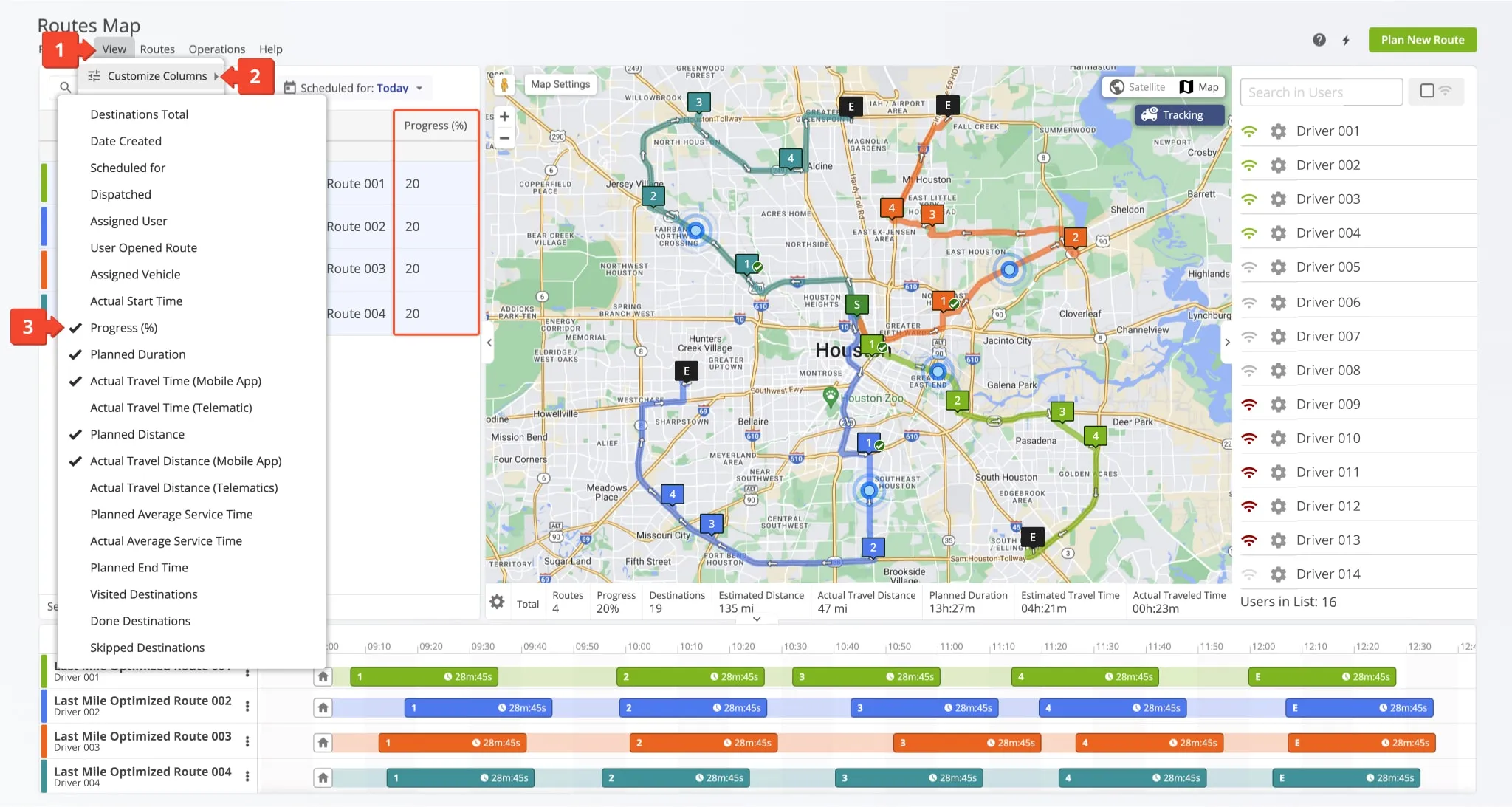
GPS Tracking, Dispatching, and Transport Analytics: Architecture of Modern Systems
Why Basic GPS Tracking Is No Longer Enough Most companies start with basic GPS tracking: location monitoring, route history, and vehicle control. However, as operations scale, this

Document Recognition and OCR for Automation: A Practical Guide for Uzbek Businesses
How OCR and document recognition remove the drudgery of entering passports, invoices and contracts by hand. We cover the realities of the Uzbek market, accuracy, integration and co

How to Publish an App on the App Store and Google Play: A Business Guide
We walk through the full path of launching a mobile app on the App Store and Google Play: which accounts you need, what it costs and how long it takes, the most common reasons for

Push Notifications and User Retention: Keeping a Useful Channel from Becoming Spam
Push is the cheapest channel for bringing users back into your app, but it also destroys trust faster than any other. We break down segmentation, frequency, anti-spam practices, me
High Load and Stability in Transport IT Systems: What Breaks First and How to Prevent It
Transport IT systems do not fail randomly. They fail under peak load — exactly when the business depends on them the most. This is when hidden architectural flaws surface — the one

Offline Mode and Synchronization in Mobile Apps: How to Get It Right
We break down why a mobile app needs offline mode, how operation queues and conflict resolution actually work, and why this matters especially for businesses operating across Uzbek
Let’s estimate your project
Leave your number: we call back within 15 minutes during business hours and send a staged estimate within 2 days.
Call directly
Bakhtiyor Khasanov+998 94 123 42 07Mon–Sat 9:00–19:00, Tashkent time · Telegram @BakhtiKhasanov