Landing Page or Multi-Page Website: Which One to Choose for Ads
The ad budget is approved, the Google Ads account is almost set up, the marketer is asking for a link — and there is nowhere to send the traffic. A familiar situation: the business is ready to pay for clicks but cannot decide what to order, a landing page or a full multi-page website. A mistake at this step is expensive: you either overpay for pages nobody will see, or you pour ad money into a website that does not sell.
At OneDev we go through this question with clients in Tashkent all the time, and the answer almost never depends on budget. It depends on the task: where the traffic will come from and what the visitor is supposed to do on the page.
Let us break it down: how the formats differ, when a one-page site wins, when you cannot do without a multi-page website, and what each option costs in Uzbekistan.
How a landing page differs from a multi-page website
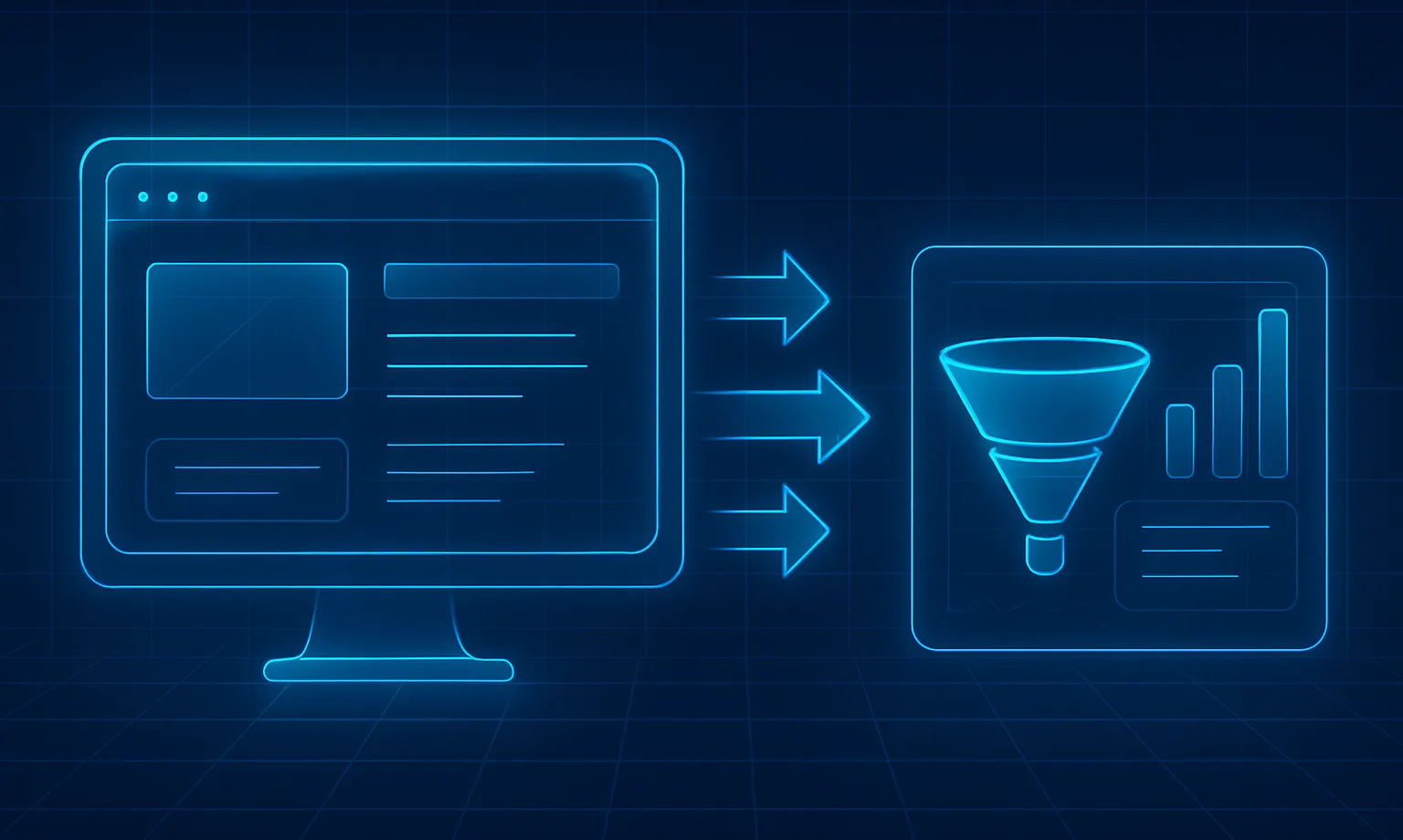
A landing page is one long page about one offer: the pitch, the benefits, work examples, the price, testimonials and a lead form. The visitor has two options: leave a request or close the tab. A multi-page website is a structure of a home page, service pages, portfolio, blog and contacts: it tells the full story of the company and works for many different search queries.
In short: a landing page is a salesperson for one product who does not let the client go until they leave their contact details. A multi-page website is the company's office where people come with different questions: one checks prices, another looks at the portfolio, a third is hunting for a job. The salesperson closes deals faster; the office builds trust and works for years.
When a landing page wins: Google Ads and Instagram
Paid traffic is the natural habitat of a one-page site. If someone clicks an ad for "custom kitchens in Tashkent", they should land on a page exactly about custom kitchens, not on a furniture factory's home page with ten sections. A landing page wins when:
- you have one service or one clear offer: air conditioner installation, an English course, turnkey renovation;
- traffic comes from Google Ads, Instagram ads or Telegram channels;
- you need to launch fast: a landing page takes about 3–4 days, and the ads start working immediately;
- the goal is leads and calls right now, not search rankings;
- you are testing a niche and do not want to invest much before validating demand.
One offer, one page, one button. This combination typically converts at 3–8% versus 1–2% for a general website, because nothing distracts the visitor from leaving a request.
When you need a multi-page website
A one-pager stops working when your offer is wider than a single pitch:
- several different services or directions: each needs its own page and its own ads;
- you are betting on SEO: free search traffic is captured by separate pages targeting specific queries;
- a product catalogue or a price list with dozens of items;
- trust matters: about page, team, certificates, case studies — you cannot fit all of that into one screen for corporate clients;
- three languages: in Uzbekistan a website in Uzbek, Russian and English almost always means a multi-page structure.
Common mistake: sending ad traffic to the home page of a multi-page website. The visitor searched for a specific service, landed on "Welcome to our company", left within 5 seconds — and the click was still billed. Even if you already have a website, ads should point to dedicated landing pages, one per offer.
Speed and conversion: why seconds decide
With ads you pay for every click, so every lost second of loading time is burned budget. Half of mobile visitors close a page that takes longer than three seconds, and in Uzbekistan almost all ad traffic is mobile, coming from Instagram and Telegram. Check before launch:
- the page opens on a phone within 2–3 seconds even on mobile internet;
- the lead form is short: name and phone number, everything else you clarify in the call;
- there is a Telegram button next to the form — many people find writing easier than filling in fields;
- the price or a "from" range is stated honestly: you do not need clicks from the merely curious.
Landing page cost and timelines in Uzbekistan
Benchmarks for 2026:
- a turnkey landing page with copy and a lead form — from $300, about 3–4 days;
- a multi-page website with a service catalogue or booking — from $400, 5–10 days;
- an online store or a booking site with Payme/Click payments — from $500, 10–14 days;
- support and updates after launch — from $50 per month.
A proper landing page is more than design: offer development, copywriting, a mobile-first layout, analytics and conversion goals — without those you will never know whether the ads pay off. That is exactly the package we deliver as a turnkey landing page for businesses in Uzbekistan.
How to choose: four questions
Answer honestly: 1) How many services do you have — one or several? 2) Where will traffic come from — ads or search? 3) How fast do you need results — this week or next quarter? 4) Are you ready to invest in SEO for months? One service + ads + fast = landing page. Several services + search + long game = multi-page website. The most common working scheme: start with a landing page and ads, and once leads are flowing, build the full website without stopping the client stream.
Conclusion
A landing page is for ads and fast leads on a single offer: from $300 and about 3–4 days of work. A multi-page website is for several services, SEO and trust: from $400 and 7–14 days. They are not competitors but tools for different jobs, and most businesses end up with both: landing pages for ads plus a website for search and reputation.